Home / Case studies
Case studies
Six projects where picking the right state or local program changed what the site could hold. The smallest added two ADUs to a fourplex. The largest is 48 townhomes.
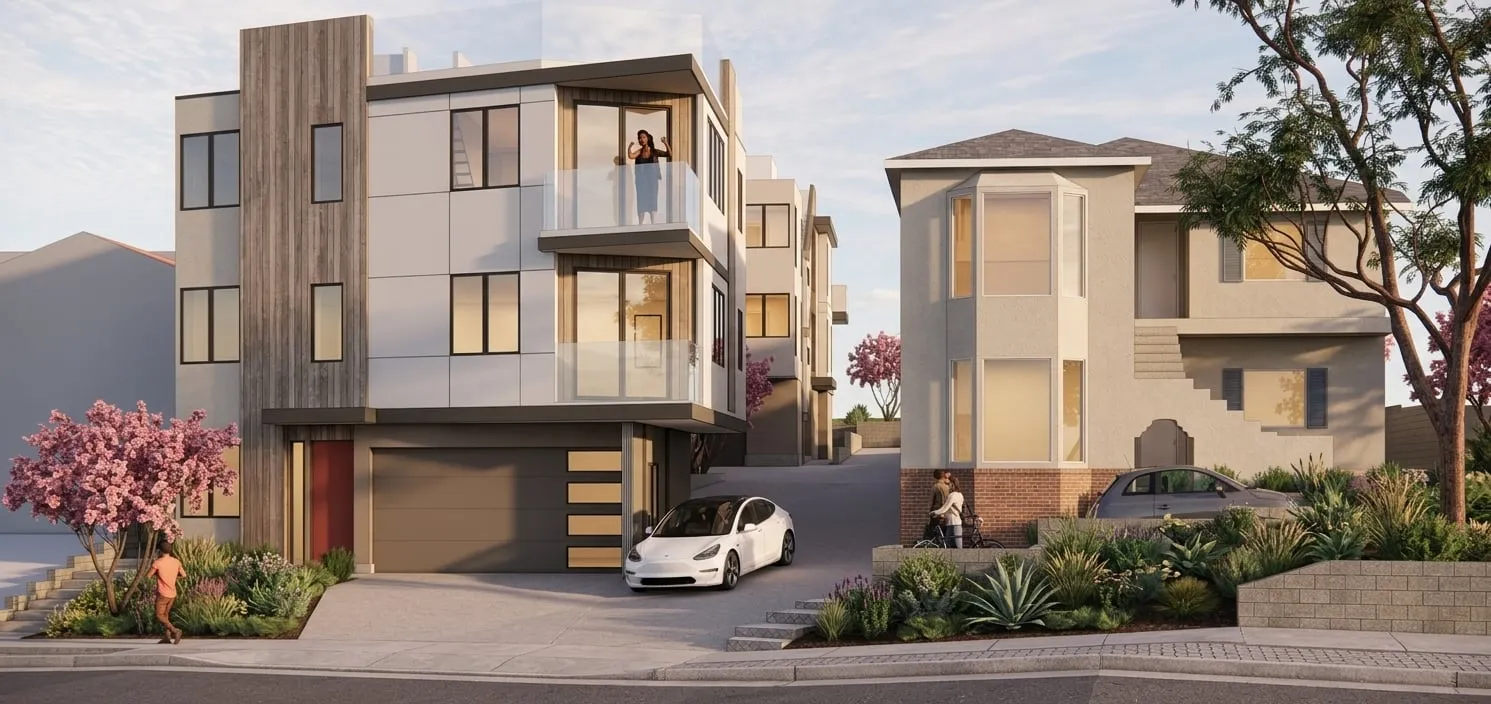
Burnside Avenue, Los Angeles
Two lots and three units became six fee-simple lots and ten homes.
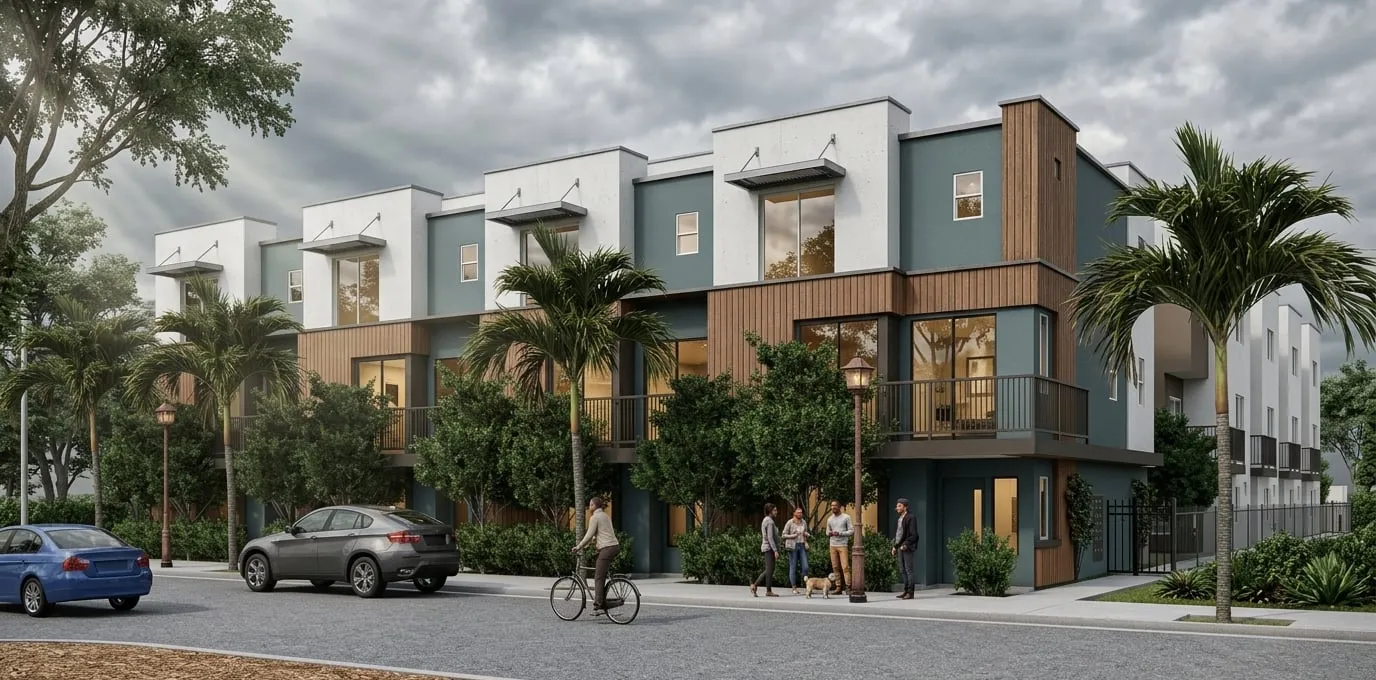
Pacific Avenue, Long Beach
Twelve homes with one affordable unit instead of two, a quarter mile from transit.
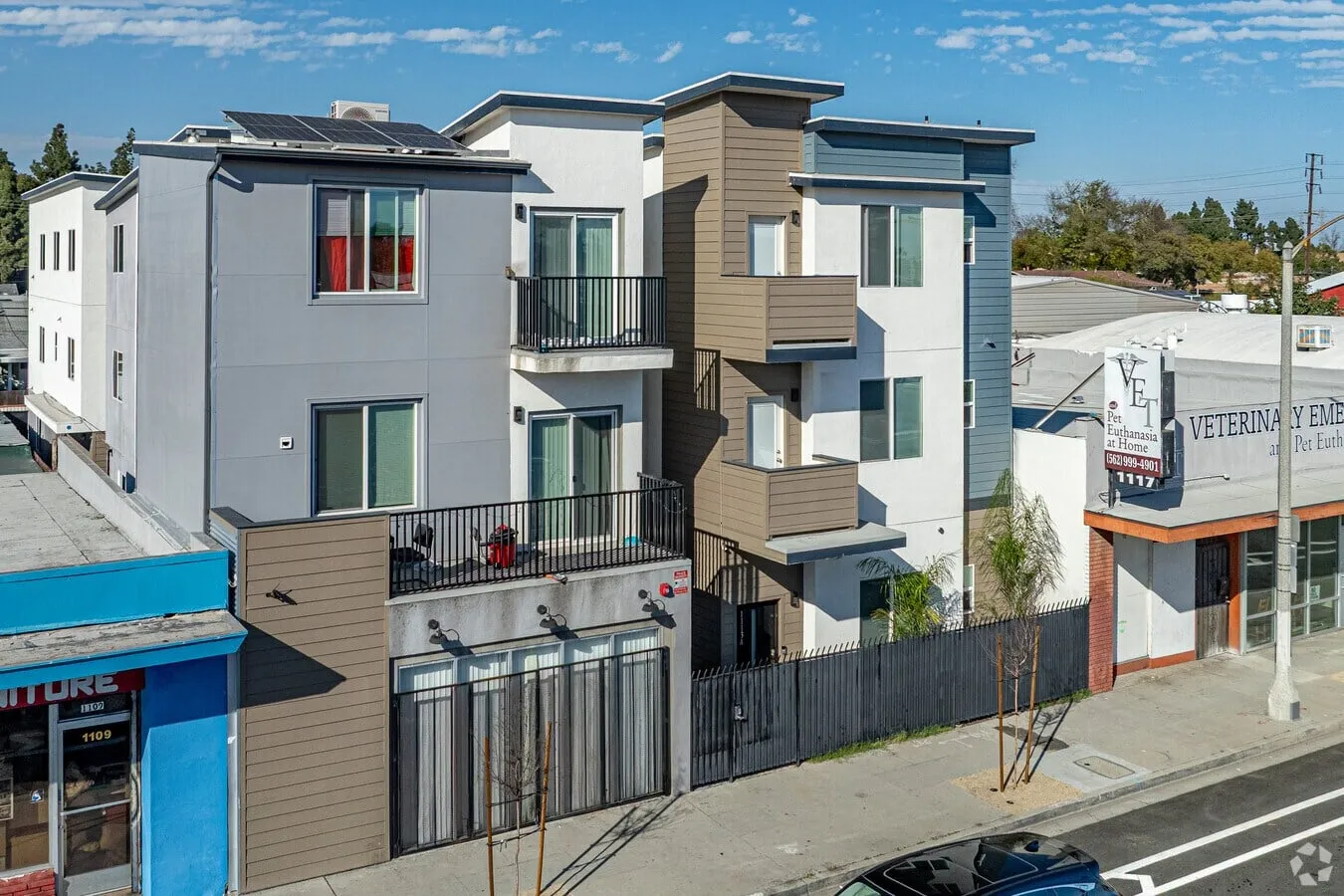
Artesia Boulevard, Long Beach
Built. The first project under North Long Beach's new zoning: five family-size townhomes.
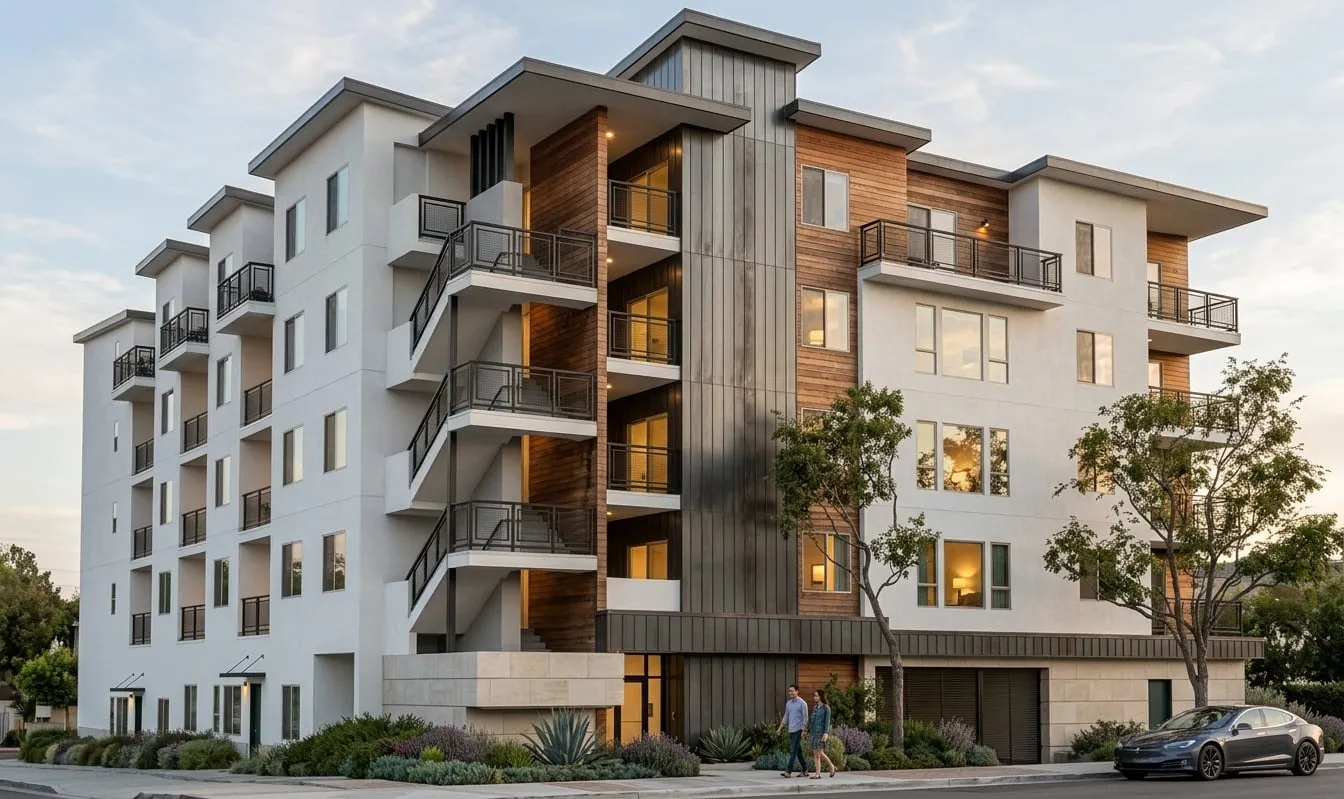
Oakwood Avenue, Los Angeles
Transit incentives took a 19-unit site to 31 apartments.
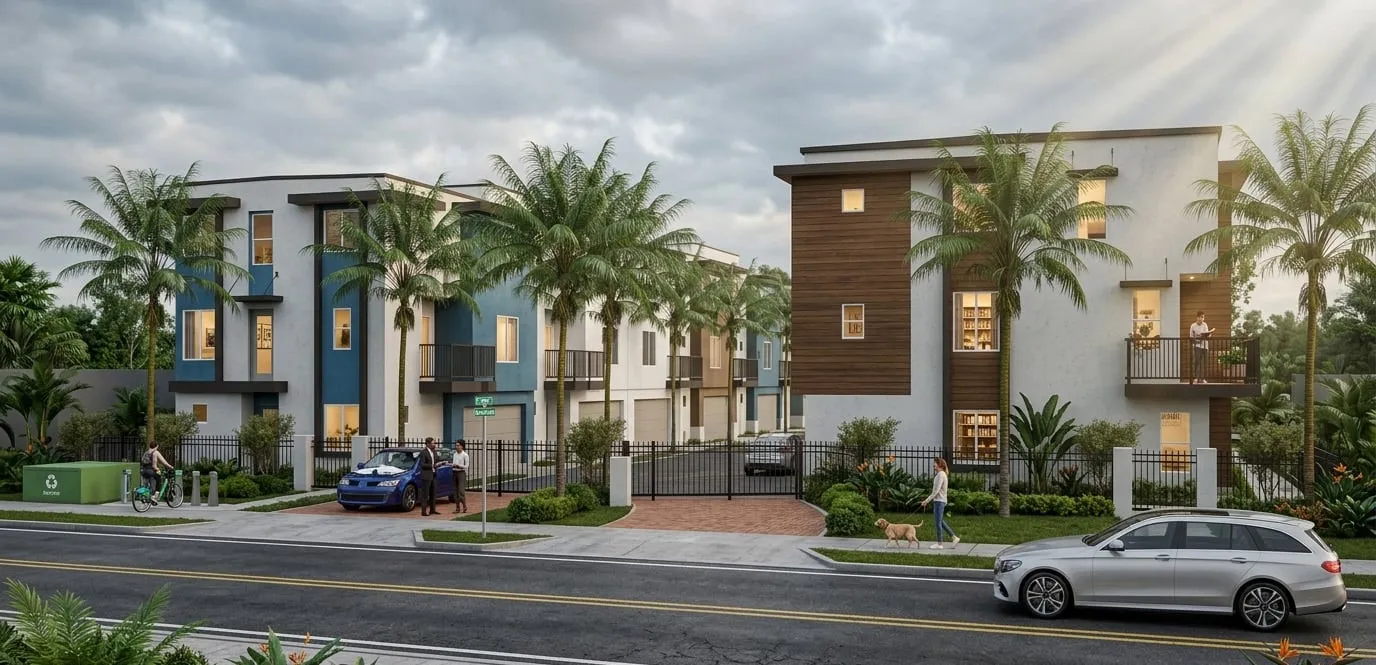
Randall Avenue, Rialto
48 multigenerational townhomes held under tighter-than-published zoning.
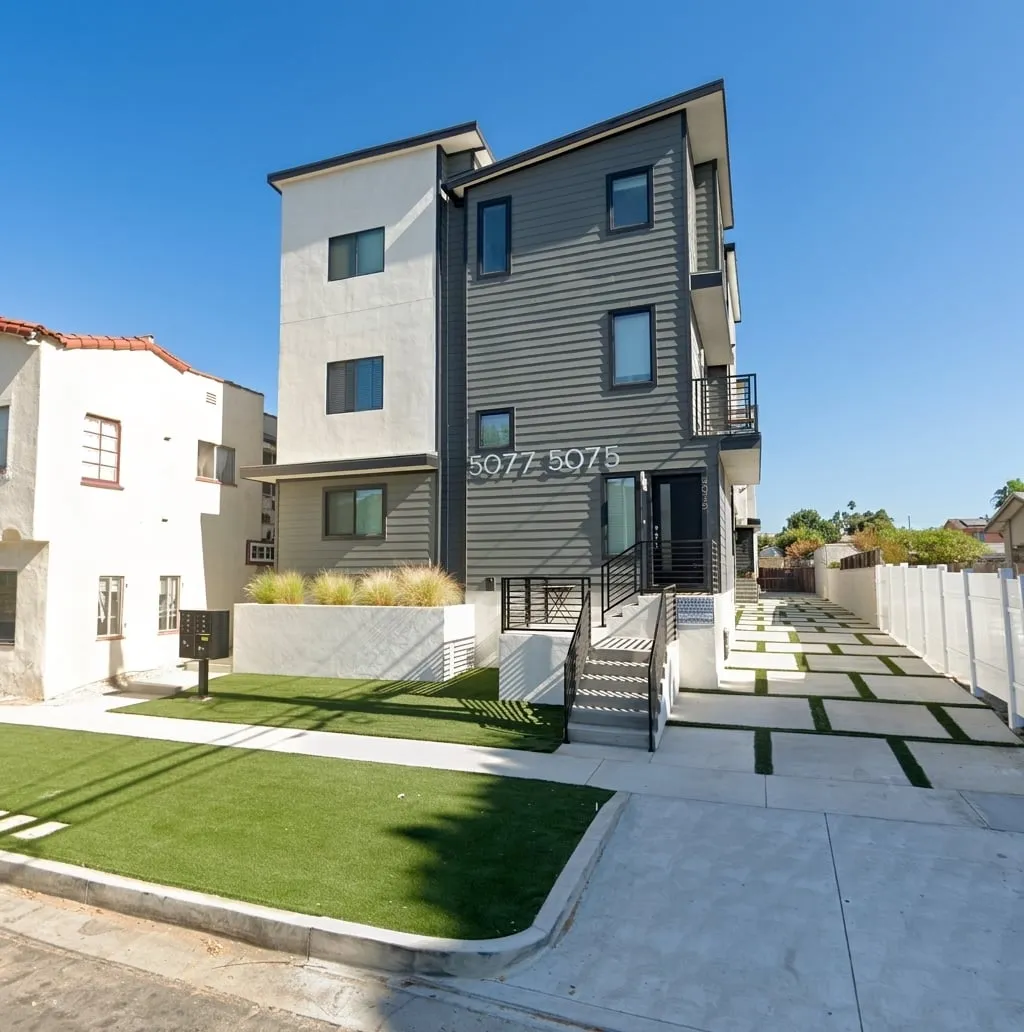
Pickford Street, Los Angeles
Built. Four units became six after construction, with two ADUs.
Cities have their own programs too
State law sets the floor. Most large California cities layer their own incentive programs on top, often tied to transit. We check the local program against state law on every site and use whichever one pencils.
Transit Oriented Communities (TOC)
- Tiered bonuses near major transit: Tier 2 adds 60% more units, more floor area and height, and lower parking.
- Affordability is set by tier, for example about 9% extremely low-income units in Tier 2.
- The incentives are being carried forward in the city's Citywide Housing Incentive Program (CHIP).
- ED 1 gives 100% affordable projects a ministerial, fast-track review.
- The Small Lot Subdivision ordinance has allowed fee-simple homes on small lots since 2005, long before SB 1123.
See Oakwood (TOC Tier 2) and Burnside (Small Lot Subdivision)
Enhanced Density Bonus (EDB)
- The city's alternative to the State Density Bonus Law, updated by City Council in June 2026.
- Extra bonuses and concessions for community benefits such as larger family units, senior housing or proximity to a park, up to a 120% total bonus.
- Applicants choose the city program or state law for a project, not both.
- Specific plans such as Midtown add their own transit-node rules, and the UPLAN rezoning opened North Long Beach corridors to new housing.
Near transit
- AB 2097: no minimum parking for most housing within a half mile of a major transit stop.
- Density bonus projects near major transit get lower parking caps, and 100% affordable projects there get unlimited density and extra height.
- Local programs often add their deepest bonuses in the same transit areas.
Being a quarter mile from a train station can matter more than the zoning map suggests.
Other large cities run their own programs too, and the rules change often. We read the current local ordinance, the state law and any specific plan before we recommend anything.
Send us an address
Tell us where the site is and what you are hoping to build. We will tell you which of these laws applies and roughly how many homes it can hold.